

Hear from Our Customers
You’ve noticed the musty smell in the basement. Maybe someone in your house has been coughing more than usual, or you spotted discoloration on the wall after that pipe leak last month. You’re wondering if it’s mold, how bad it is, and whether it’s making your family sick.
DIY test kits from the hardware store can’t tell you what species you’re dealing with or how concentrated the contamination is. They can’t find hidden growth behind drywall or inside your HVAC system. And they definitely can’t give you the documentation you need if you’re filing an insurance claim or trying to close on a house sale.
Professional mold testing uses air sampling and surface testing to detect contamination you can’t see. We send samples to certified labs that identify specific species and concentration levels. You get a detailed report that tells you exactly what’s growing, where it’s coming from, and whether it’s a health risk. No guessing. No wondering if you’re overreacting. Just clear information that helps you make the right decision about what happens next.
We’ve been serving Middletown and the surrounding areas with certified mold inspection services for years. We know the local climate—the humidity that builds up near the Susquehanna River, the older homes with basement moisture issues, the newer construction that sometimes traps water in the wrong places.
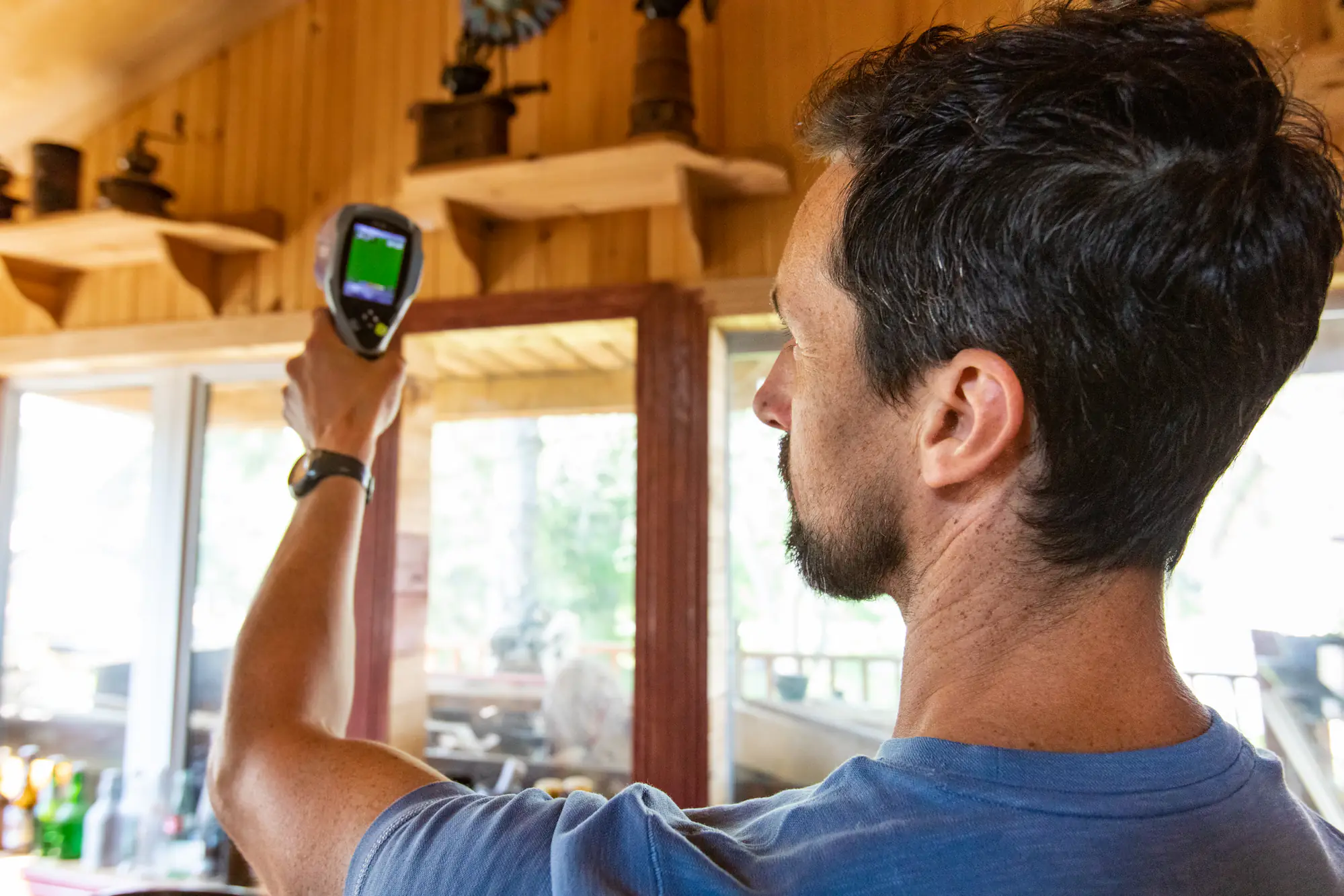
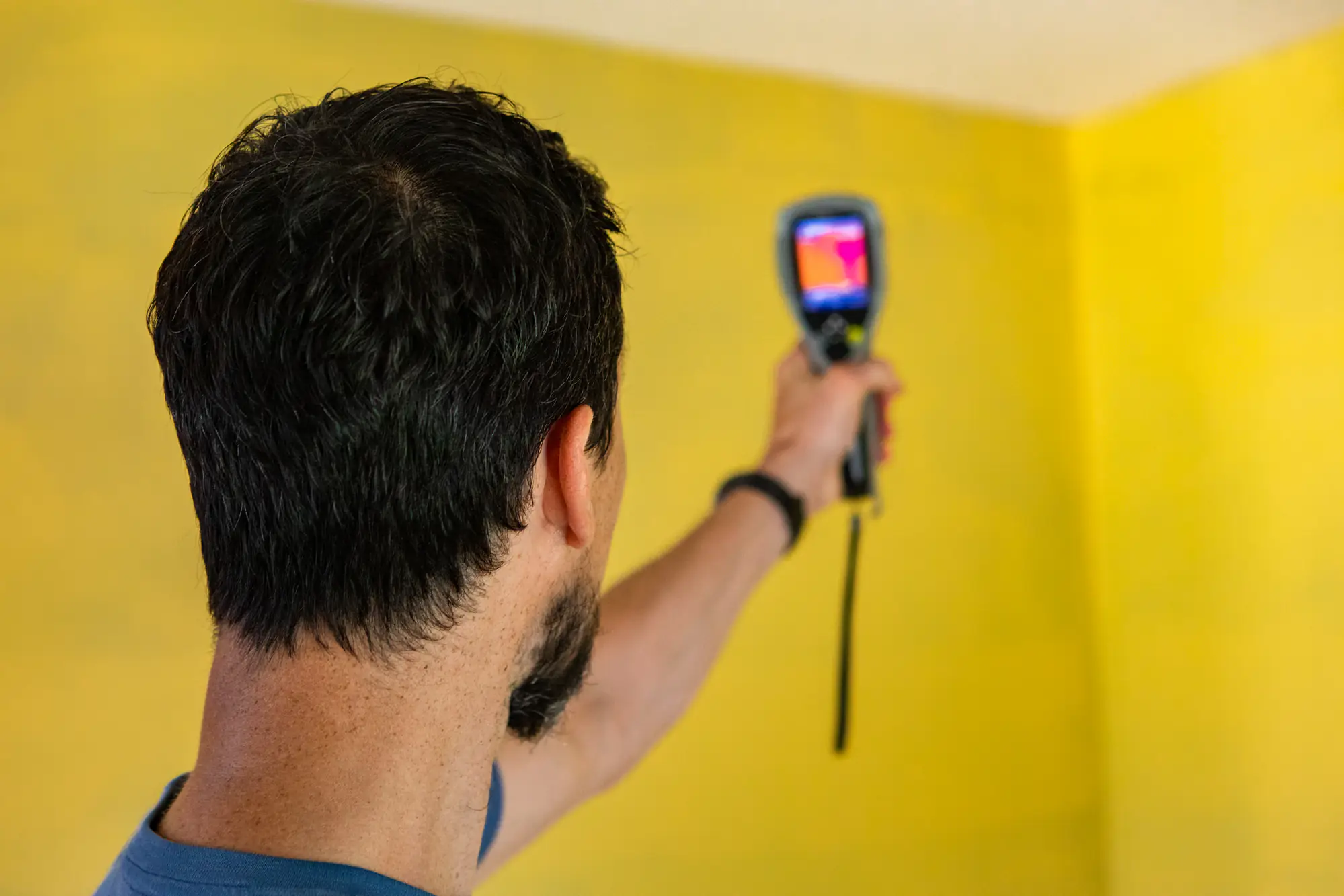
Our inspectors use thermal imaging cameras and digital moisture meters to find problems in areas you can’t easily access. We follow industry-approved protocols, and we work with certified laboratories that provide detailed analysis you can actually understand. We’re not here to upsell you on remediation you don’t need. We’re here to give you accurate information so you can protect your property and your family’s health.
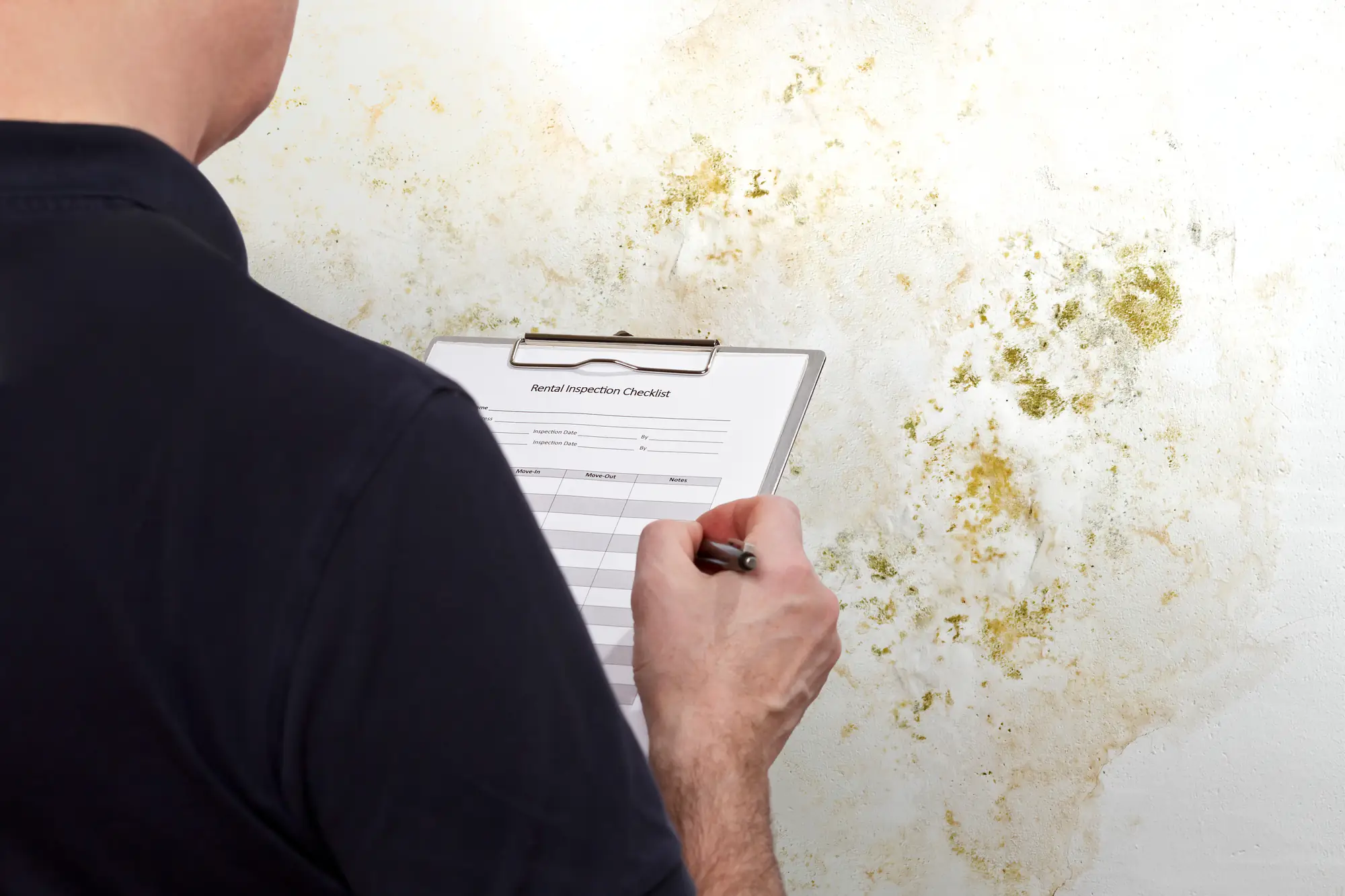
The inspection starts with a complete visual assessment of your property. We check the obvious spots—bathrooms, kitchens, basements, crawl spaces—and the less obvious ones like attic spaces, behind appliances, and inside HVAC systems. We use moisture meters to identify areas with elevated humidity levels and thermal imaging to spot temperature differences that indicate trapped moisture.
Next, we collect air samples from multiple locations throughout your home. Air sampling captures mold spores that become airborne from hidden colonies, even when the growth is behind walls or under flooring. We also take surface samples from any visible growth or suspicious areas. All samples go to a certified laboratory for analysis.
You’ll receive a comprehensive report within 3 to 7 business days. The report includes lab results that identify specific mold species and their concentration levels, photographs from the inspection, moisture readings, and our professional interpretation of what it all means. If remediation is needed, the report gives you clear recommendations about scope and next steps. If your air quality is fine, you’ll have documentation that proves it.
Ready to get started?
A standard mold inspection in Middletown typically takes 2 to 3 hours depending on your property size. You get a complete visual inspection of all accessible areas, digital moisture detection to identify problem zones, air quality sampling from multiple rooms, and surface testing of any visible growth or water-damaged materials.
Middletown’s location near the Susquehanna River means homes here deal with higher humidity levels, especially in basements and crawl spaces. Older properties in town often have foundation issues that let moisture seep in. Newer homes sometimes have ventilation problems that trap humidity indoors. We pay special attention to these local risk factors during every inspection.
The lab analysis identifies whether you’re dealing with common environmental molds or more concerning species like Stachybotrys (black mold) that produce mycotoxins. Concentration levels tell you whether the contamination is minor or significant. If you’re buying or selling a home in Middletown, this documentation protects your investment. If you’re dealing with a water damage insurance claim, it provides the evidence your insurer needs. And if you’re just trying to figure out why your family keeps getting sick, it gives you real answers instead of more anxiety.
Basic mold inspections in Middletown start around $350 and typically include a complete visual assessment, moisture detection with professional equipment, and air samples with laboratory analysis. Larger properties or more extensive testing can run $500 to $800 depending on square footage and the number of samples needed.
That might seem like a lot compared to a $40 DIY kit, but here’s what you’re actually paying for: certified inspectors who know where to look, professional-grade equipment that detects hidden moisture and temperature anomalies, laboratory analysis from accredited facilities that identify specific species and concentration levels, and a detailed report that gives you actionable information instead of vague results. Many insurance policies cover mold inspections when they’re related to water damage claims, so check your coverage before assuming you’re paying out of pocket.
The real cost comparison isn’t between professional testing and a hardware store kit. It’s between spending a few hundred dollars now to catch a problem early versus spending $3,000 to $20,000 later on full remediation after contamination spreads. Undetected mold can reduce your home’s value by 20 to 37 percent. Early detection saves you money.
Yes, and that’s exactly why air sampling is more effective than visual inspection alone. Mold colonies release spores into the air even when the growth itself is completely hidden behind drywall, under flooring, or inside wall cavities. Air samples capture those airborne spores and send them to a lab for identification and concentration analysis.
Thermal imaging cameras help us narrow down where hidden growth might be located by identifying cooler areas where moisture is trapped. Moisture meters confirm elevated humidity levels inside walls without cutting them open. Then air sampling tells us whether mold is actually present and what species we’re dealing with. Surface sampling from visible growth or water-damaged materials gives us additional confirmation.
This combination of technology and laboratory analysis is how we find problems that DIY kits and visual inspections miss. If you’ve had water damage, if you smell mustiness but can’t find the source, or if someone in your home has unexplained respiratory symptoms, air sampling gives you answers about contamination you can’t see.
Laboratory results typically come back within 3 to 7 business days after we collect samples. The lab needs time to culture the samples, identify specific mold species under microscopy, and measure concentration levels accurately. Rushing this process compromises accuracy, and accuracy is the entire point of professional testing.
You’ll receive a comprehensive report that includes laboratory results with species identification and spore counts, photographs from the inspection showing problem areas, moisture readings from all tested locations, and our professional interpretation of what the results mean for your property. The report explains whether the mold levels are normal environmental background or elevated contamination that requires remediation.
If you’re in a time-sensitive situation—closing on a house sale, filing an insurance claim, or dealing with a tenant complaint—let us know upfront. We can sometimes expedite lab processing for an additional fee, though standard turnaround is usually fast enough for most situations. The wait is worth it because you’re getting accurate, certified results instead of unreliable information from a DIY kit that leaves you with more questions than answers.
A mold inspection is the complete assessment—visual examination, moisture detection, thermal imaging, and professional evaluation of your property’s condition. Mold testing specifically refers to collecting air and surface samples for laboratory analysis. Most professional services include both, because you need the inspection to know where to test and you need the testing to confirm what the inspection finds.
The inspection identifies visible growth, water damage, humidity problems, and areas where conditions are right for mold development. Thermal imaging and moisture meters help us find hidden issues. But visual assessment alone can’t tell you what species you’re dealing with or how concentrated the contamination is. That’s where testing comes in.
Laboratory testing gives you species identification, concentration levels, and documentation that’s useful for insurance claims, real estate transactions, or legal situations. The inspection gives you context about where the mold is coming from and what needs to be fixed to prevent it from coming back. You need both to make informed decisions about your property. When you hire us for mold testing in Middletown, you’re getting the complete package—inspection and testing together.
If you can see mold growth, you already know you have a problem that needs remediation. But testing is still valuable because it tells you what species you’re dealing with, how widespread the contamination is, and whether there’s hidden growth beyond what’s visible. Some mold species are more concerning than others, and concentration levels help determine the scope of remediation needed.
Testing also establishes a baseline before remediation starts and confirms that the work was successful afterward. If you’re filing an insurance claim, you’ll need documentation that proves the extent of contamination and the cost of proper remediation. If you’re a landlord dealing with a tenant complaint, testing protects you from liability by showing exactly what’s present and what steps you’re taking to address it.
Visible mold is often just the tip of the problem. If you’re seeing growth on a wall, there’s a good chance there’s more behind it where water has been sitting. Air sampling tells you whether spores are circulating throughout your home even in rooms where you don’t see visible growth. Testing gives you the complete picture instead of just addressing the obvious spots and hoping you got everything.
Stachybotrys chartarum—the species people call “black mold”—produces mycotoxins that can cause serious health problems with prolonged exposure, including respiratory issues, chronic headaches, fatigue, and immune system problems. But not all black-colored mold is Stachybotrys, and not all dangerous molds are black. You can’t identify species by color alone, which is exactly why laboratory testing matters.
Plenty of common molds cause health symptoms even if they’re not producing mycotoxins. Allergic reactions, asthma attacks, sinus infections, and skin irritation can happen with many different species. People with compromised immune systems, young children, and elderly family members are especially vulnerable. The question isn’t just whether you have “black mold”—it’s whether you have any mold contamination at levels that pose health risks.
Professional testing identifies the specific species present in your Middletown home and measures concentration levels. The lab report tells you whether you’re dealing with common environmental molds at normal background levels or elevated contamination that requires immediate remediation. That information helps you make decisions based on actual risk instead of internet horror stories. If testing confirms Stachybotrys or other mycotoxin-producing species, you’ll know you need professional remediation right away. If it’s something less concerning, you’ll have peace of mind and a clear plan for addressing it properly.
Other Services we provide in Middletown